Messaging best practices
We've analyzed millions of recruiting emails to provide you with best practices when creating email outreach campaigns. Recruiters who follow these best practices see a 30% higher response rate on average.
- Make your emails personal: A "nice to meet you" goes a long way—especially when that introduction is coming from a leader within the company. Introductions with "I lead" and "I run" demonstrate authority and boost replies.
- Don't paste the job description: Emails that include job descriptions have abysmal reply rates. In fact, emails that include the phrase "job requirements" have the lowest reply rates of any group we have tested—up to 80% lower.
- Don't ask for a resume: It's impersonal to ask for a resume and it adds extra effort from a candidate.
- Mention company health: The financial health of your company matters—especially for startups. Mentioning funding, your series "A/B/C/D/E", or your valuation positively impacts reply rates.
- Pause on including work-life balance and salary in intro emails: These topics are important—just not out of the gate in intro/first-touch emails. Intro/first-touch emails that reference work-life balance, salary, benefits, or compensation have lower reply rates than those that do not.
- Include a few compliments: Adding a few compliments goes a long way. Emails that contain words like impressive, impressed, great fit send reply rates skyrocketing.
- Avoid clichés: Some clichés are overused and come across as robotic. Avoid these: next steps, real impact, potential fit, and change the world.
- Make the ask: Once you've given a candidate your best pitch, you need to ask them to talk. Your words matter here. Nuances in wording have a big impact on how likely someone is to reply. Your ask can be broken down into three parts: qualifier, verb, and time.
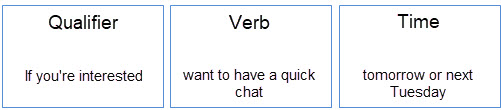 Qualifiers: Some good qualifiers: any interest, if you're interested, open to, are you open. Some bad qualifiers: if interested, if you are, may be interested, interested in. Verbs: Be careful with the verbs you use. You want your ask to be easy and informal. Good verbs: tell you more, set up a time to speak, have a chat, have a conversation. Adding words like short and quick positively impact reply rates. Bad verbs: any further exploration, hear from you. Time: When asking for a time to chat, offer a little flexibility and do not be overly specific. Do not ask to speak tomorrow as it negatively affects reply rates. Also, making the ask about "your schedule" or asking a candidate if they are free, negatively impacts reply rates since it is not specific enough.
 - Don't ask for referrals: Asking if you know anyone else decreases reply rates by 48%.